
Function + Feeling + Storytelling
Lessons from an Icelandic entrepreneur on storytelling and finding the soul in what we build 💙

My studio’s first project was a simple scorekeeping app for a company in Toronto. It had the simplest UI and the most basic features. When my partner and I landed this project, we were jumping up and down with excitement. A company had decided to build a whole app with us! Can you believe that?
We charged them just $1,000 for a cross-platform application. Looking back, we seriously undercharged. But that wasn’t just any paycheck; it was validation that we could go out there and forge our own path. It was our first dollar made online, our proof of concept. That project became the first of many clients that would soon follow.
Since then, my product studio has grown significantly. We’ve worked with several local startups, built gamified learning apps and fintech apps, designed websites for boutique businesses, and turned one-off projects into long-term partnerships. But the challenges of bootstrapped entrepreneurship are ever-present: hiring the right people, time management, project management, all while meeting deadlines with a small team and keeping myself healthy along the way.
Storytelling
As a product studio owner, I’m always searching for inspiring stories from other creative founders. My quest led me to the eye-opening story of Ueno, a design agency that redefined what’s possible for independent studios.
In 2014, Haraldur “Halli” Thorleifsson started Ueno at his kitchen table in Reykjavik with just $1,000 in the bank. Seven years later, he sold it to Twitter in one of the biggest independent agency acquisitions ever. Before reading about Ueno, I didn’t even know creative agencies could be sold to tech companies for nine figures.
I later learned that Molly Studio was acquired by Shopify too. Apparently, this is a real exit path.
“This little itch. The feeling I get when someone comes with something that’s just an idea and they want our help to see it become real. It feels like magic. Like alchemy.” — Halli
Ueno grew from Halli’s apartment to 50 employees across four cities, working with Google, Apple, Airbnb, Uber, and other major brands. But here’s what set them apart: their incredible storytelling and their meticulous case study process. They only took on projects interesting enough to merit a case study. Every client success became a story that attracted even bigger clients.
Halli credits Ueno’s rapid growth to investing heavily in internal culture, finding the right people, branding, and collaboration, which led to consistently high-quality work. Once Ueno proved it could handle large-scale projects while maintaining quality, more big clients followed.
The agency also stood out through its commitment to social and cultural values, which helped it build a distinctive brand and attract clients who shared its principles.
For example, Haraldur founded Ramp Up Iceland, a project aimed at building over 1,500 wheelchair ramps across the country to improve accessibility, inspired by his own experience living with muscular dystrophy and using a wheelchair.
Function + Feeling
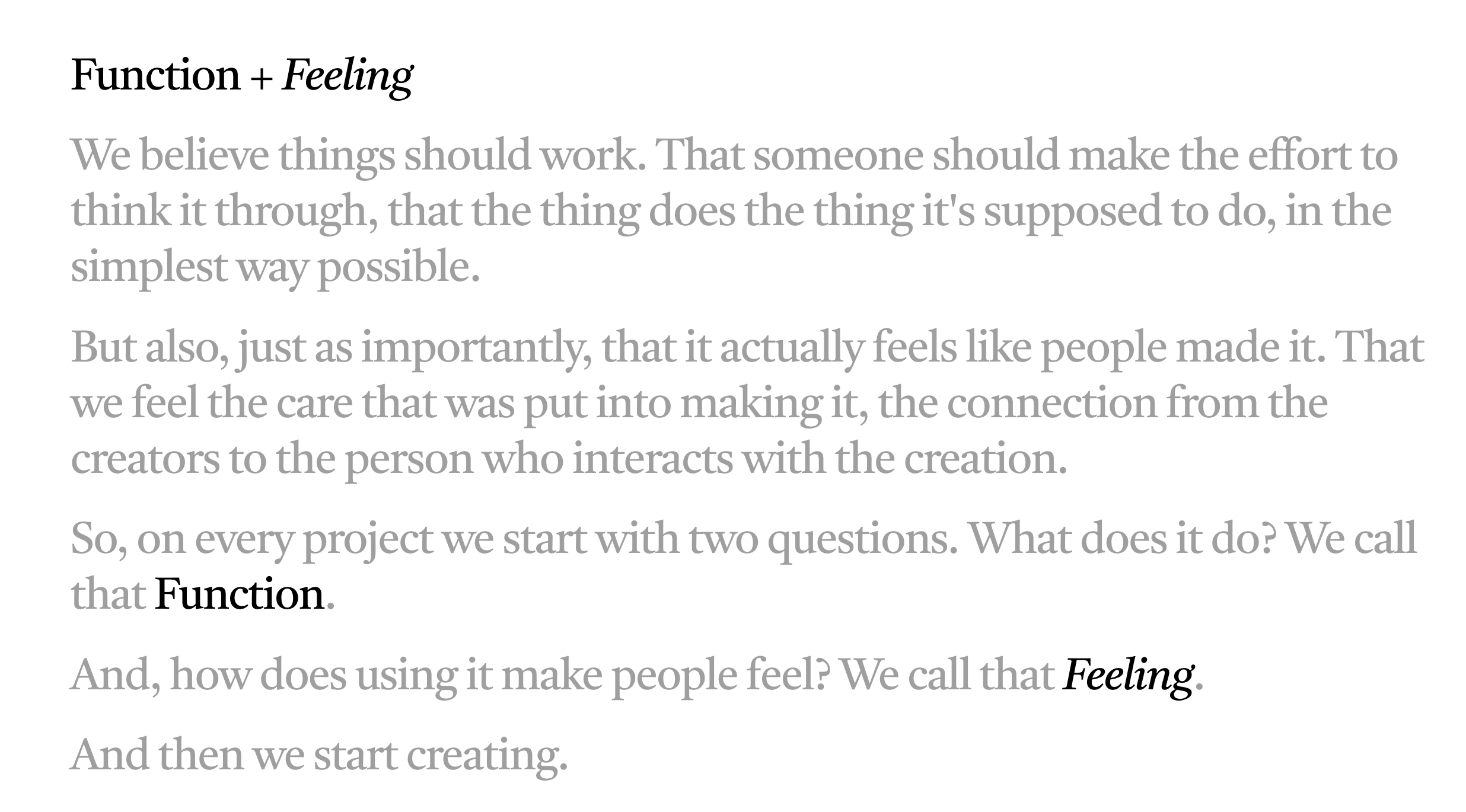
That paragraph from their website struck me deeply. Thoughtful yet emotional, technical yet human.
When I build products now, I often catch myself asking the same two questions without realizing it: Does it work? and How does it make people feel?
That invisible layer of care, intention, and art is what turns something from well-built into well-loved.
The Reality Check
Of course, it’s not always possible to be hyper-selective about clients when you’re juggling a dozen bills. In the early stages, you take the projects that keep the lights on and grow from there.
But as AI democratizes coding and makes it easier than ever to spin up prototypes, design and storytelling are becoming the ultimate differentiators. Working with clients to not just build but also tell stories is crucial.
In a world where AI can spin up a landing page in five minutes, what actually cuts through is not one more feature list, but a story that people want to see themselves in.
The best campaigns today, from Shot on iPhone to Airbnb’s Made Possible by Hosts and Spotify Wrapped, all do the same thing: incredible storytelling.
Learning to Storytell
Storytelling isn’t an afterthought to design. It’s part of the design. It shapes how people perceive the work, how clients connect with it, and how teams find meaning in what they build.
Case studies that tell stories don’t have to wait until the end of a project; they can be an integral part of the process. Think of them like a working journal; a way to document the journey as it unfolds. Writing a few lines each day about what was accomplished, what hurdles appeared, and what decisions were made helps preserve the story in real time.
Taking lots of photos, recording small milestones, or noting what inspired a specific design choice makes the narrative richer later.
Here are elements you should aim for:
Clear Challenge/Context
What was the business situation?
Who was the user/customer?
What problem were they facing?
This ties to Function - the work had to do something.
Process & Story
What did you actually do? (Workshops, discovery, design, iteration)
What were the emotional/intangible parts? (How did it feel for users, what changed in perception)
Show your storytelling layer - the narrative of getting from challenge → solution.
Outcome and Feeling
What metrics changed? (Conversions, engagement, retention)
How did people feel? What changed in behaviour or perception? This ties to Feeling.
Use real quotes or visuals of people in action.
Visuals & Narrative Flow
Hero image or video that pulls people in.
Before & after, or journey visuals.
Consistent layout. Use your brand’s voice and visual style
Call to Action / Next Steps
What do you want the reader to do? Contact you, view more work, download full story?
No Budget, No Problem
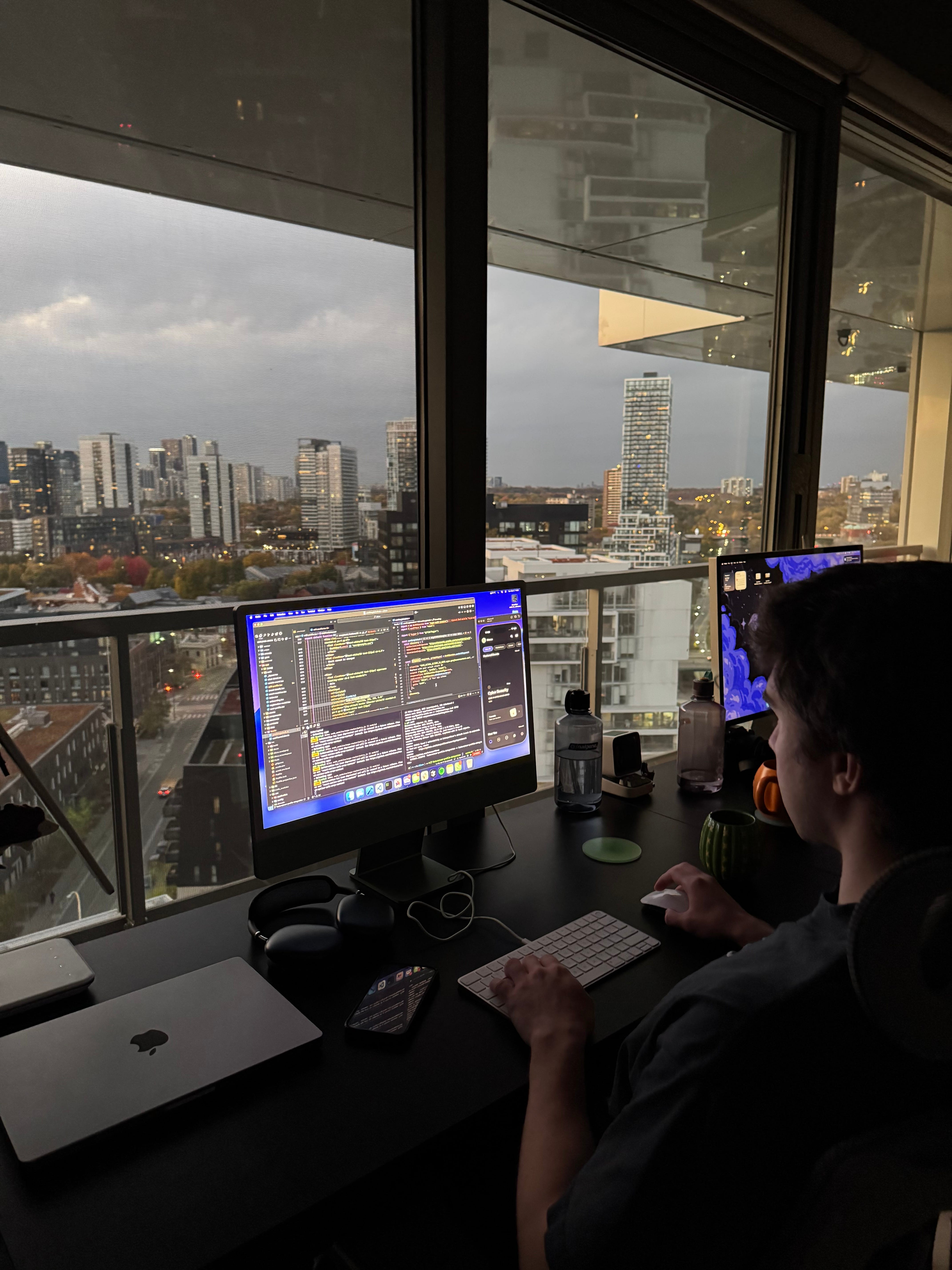
I’m all about being a scrappy founder and I definitely don’t have a dedicated case study team. What I’m doing right now is taking lots of pictures of the process, documenting everything I’m learning, even if it’s just one paragraph or a quick voice note. I also keep an entire folder of demo videos and Loom walkthroughs of the work in progress.
Solo or bootstrapped founders often document their builds using LinkedIn, Twitter, Notion, Loom and other social media platforms. These grassroots updates often outperform high-budget marketing campaigns because they feel raw and real.
Studios and Case Study References I Love
MetaLab Work Archive – Clear, process-driven storytelling showing decisions, not just deliverables.
CaseStudy.Club – A curated library of modern product design stories.
Molly.Studio – A creative studio acquired by Shopify, known for its minimal aesthetic, storytelling-driven campaigns, and thoughtful brand work.
QodeInteractive – Examples of Online Case Studies – A gallery of case studies across web, agency and design work with commentary on what makes them effective.
I’m not an expert in storytelling yet, but I’m aiming to get just one percent better each day. No matter what you’re building, document the process, because the small notes, screenshots, and reflections you capture today become the stories that inspire others tomorrow.
Sources
Awwwards – Interview with Haraldur Thorleifsson
https://www.awwwards.com/haraldur-thorleifsson-interview.html
Dribbble – Ueno Portfolio
Ueno Official Website (Archived) https://www.ueno.co/
Dave Benton – “How Global Design Studio Ueno Maintains Its Creative Soul”